Home
Practical Reading for Food-Processing Equipment Buyers
Read practical LACA buyer guides covering food-processing equipment inquiries, export shipment preparation and retort project planning.
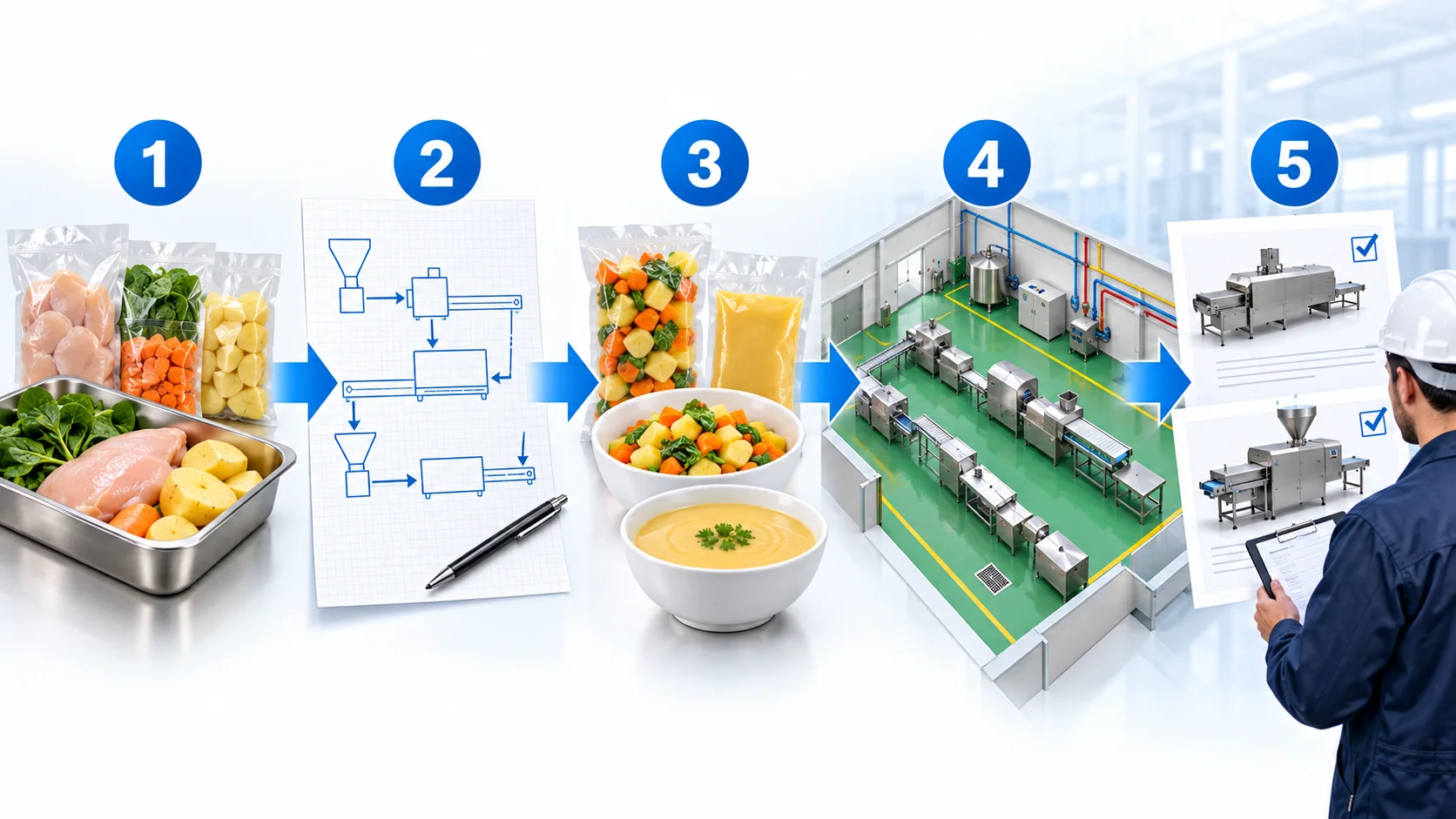
Equipment Buying Guide
A useful inquiry describes the production job before it asks for a model or price. This guide turns your product, capacity, factory and commercial requirements into a quotation that suppliers can answer and buyers can compare.
Read full article
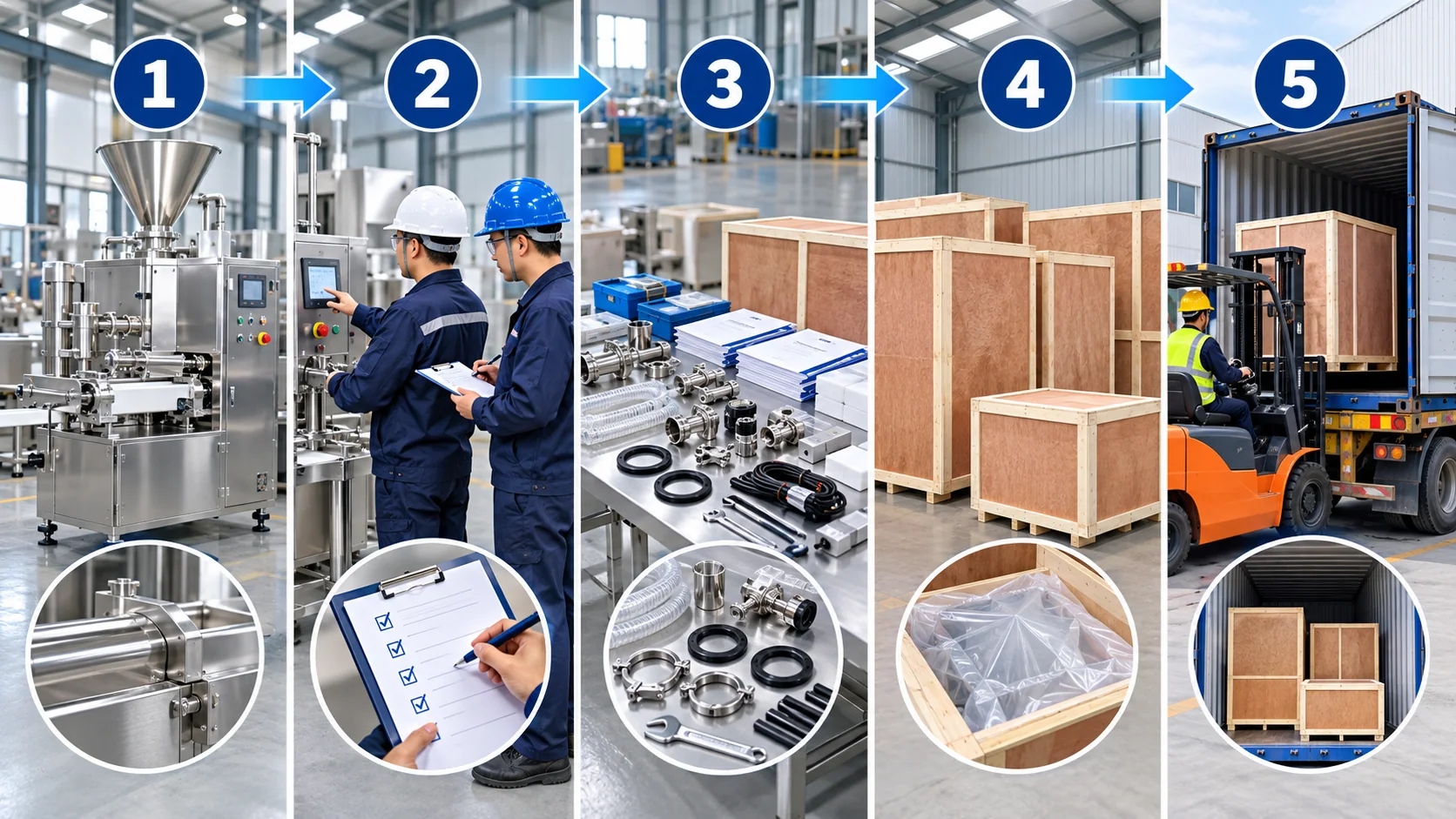
Export Delivery
Pre-shipment confirmation is a controlled handover, not a single photograph of a finished machine. Buyers should connect the approved scope to inspection evidence, accessories, documents, preservation, packing and a receiving plan.
Read full article
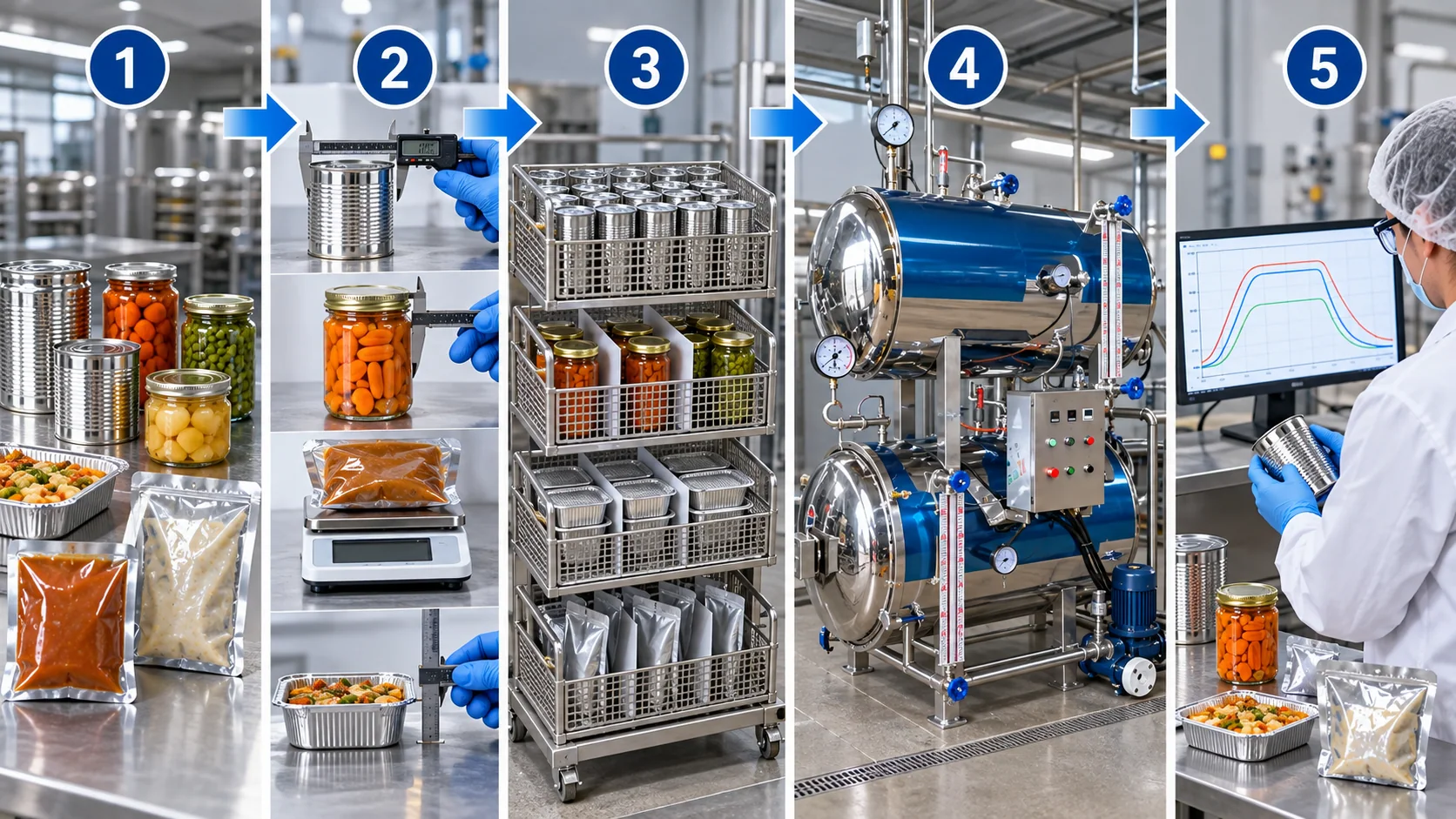
Thermal Processing
Retort selection begins with the food and its sealed container. Package geometry, fill, residual gas, orientation and basket arrangement affect heat transfer, handling, capacity and pressure control, while the scheduled thermal process remains product- and package-specific.
Read full article
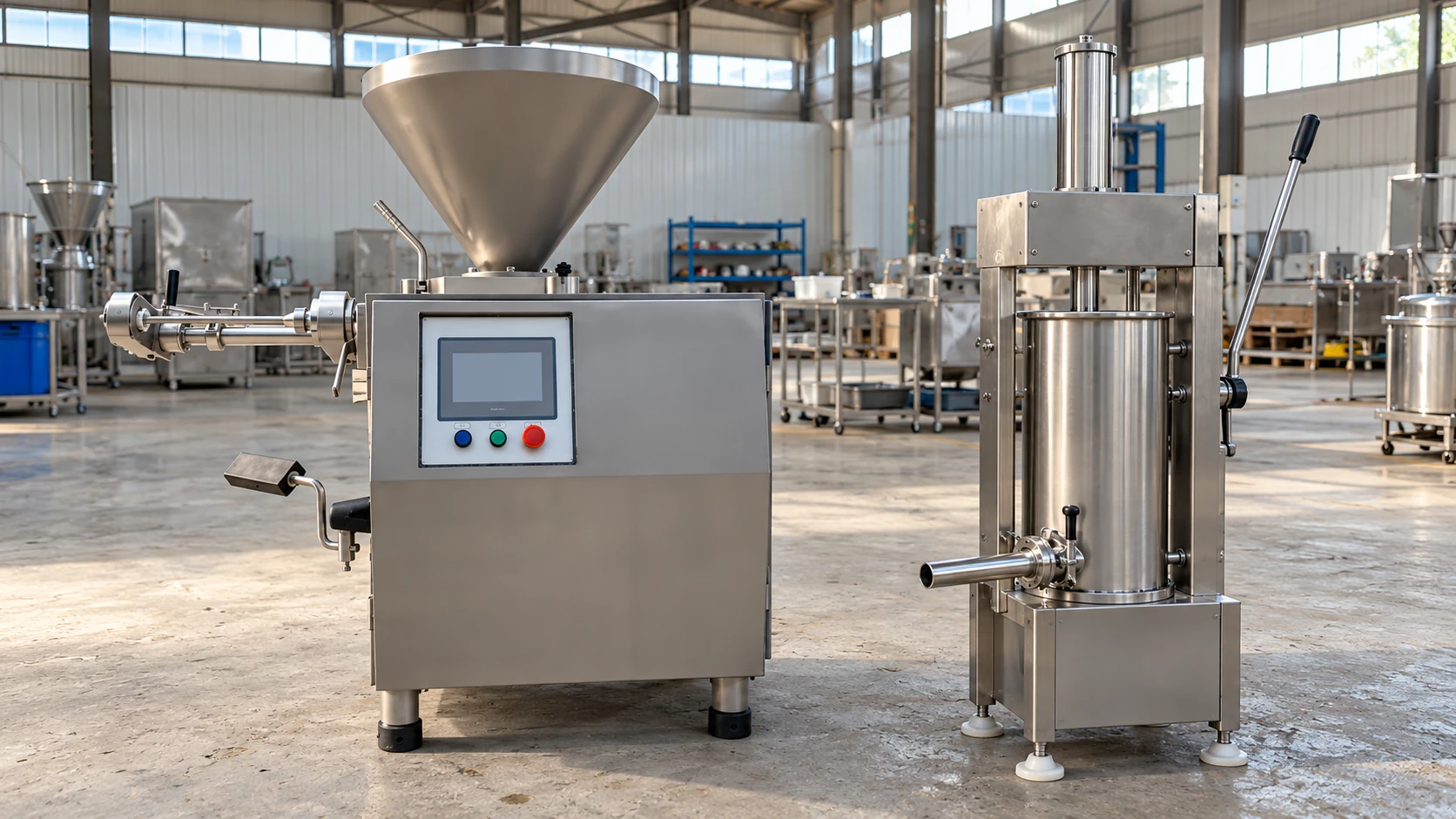
Sausage Processing
Vacuum and hydraulic fillers can both produce good sausages, but they organize product feed, air management, portioning and operator work differently. The right choice starts with the product, casing and complete production rhythm—not the machine label alone.
Read full article
Equipment Buying Guide
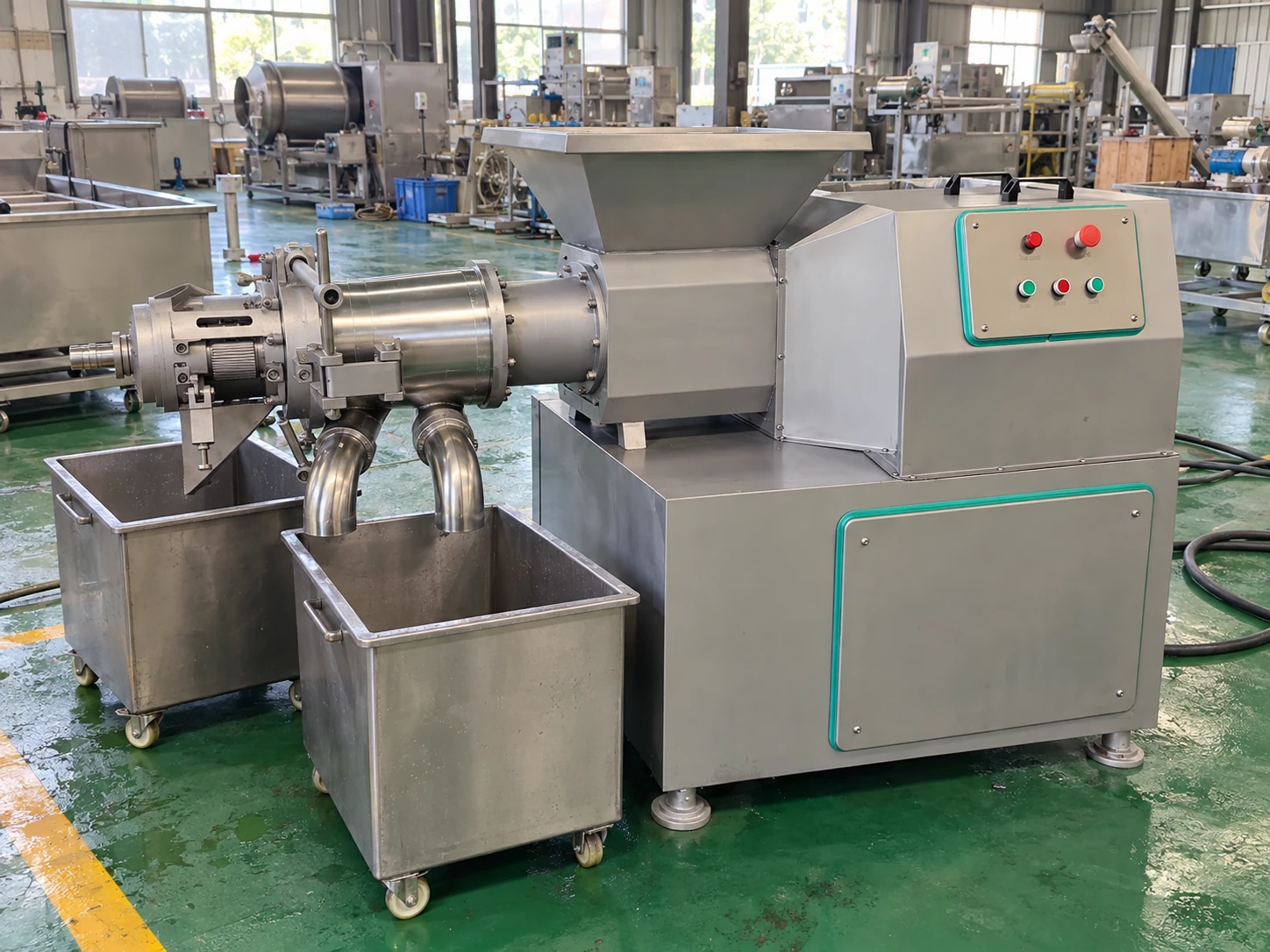
A useful price comparison begins with the process duty, not a model name. Raw material, target product, capacity, screen and pressure configuration, cleaning, wear parts, line integration and delivery scope can change both the machine and the total project cost.
Read full article
Equipment Buying Guide
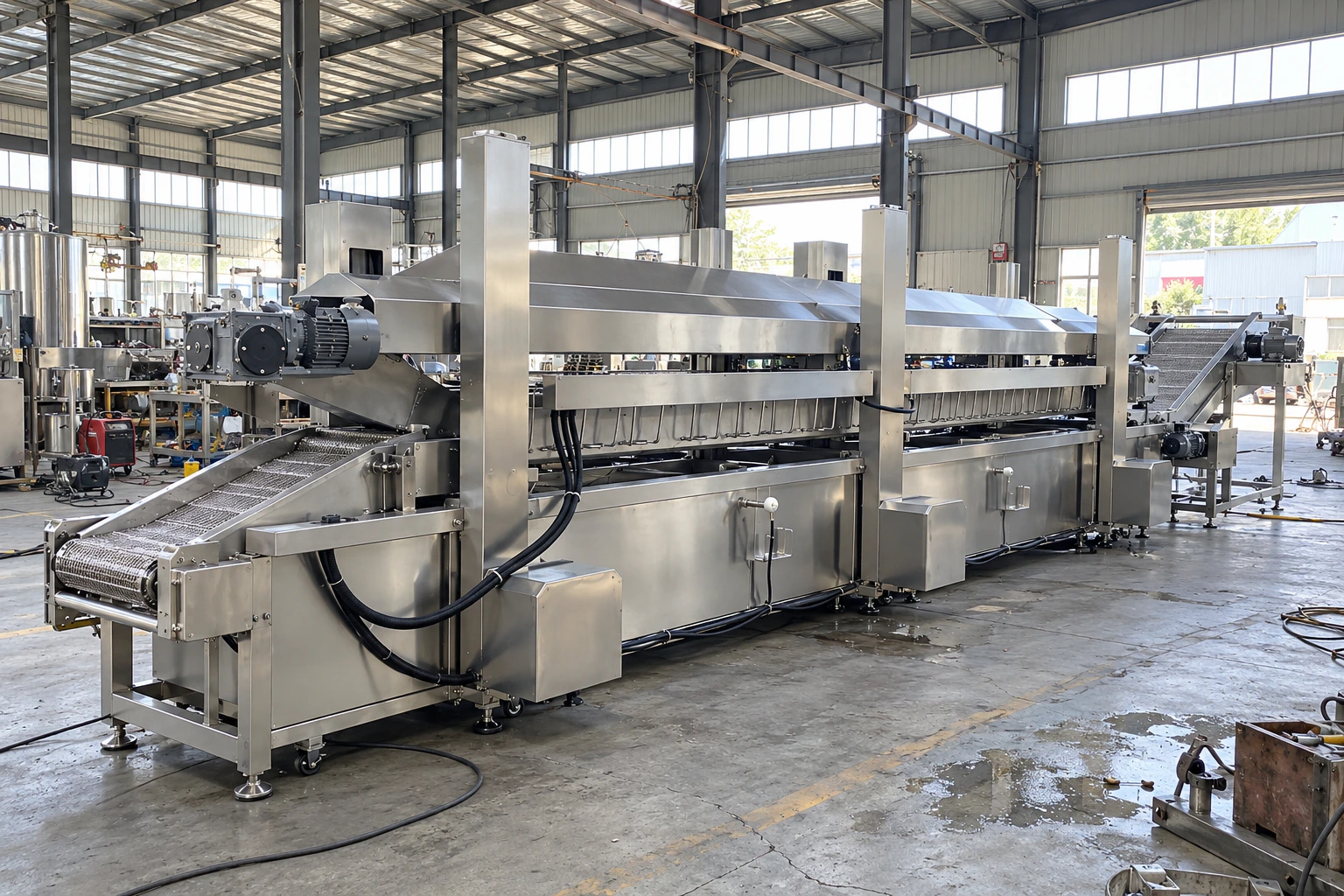
A fryer is only one part of the line. Reliable selection begins with the food, preparation condition, required finished output and quality target, then connects feeding, frying, oil handling, de-oiling, cooling, seasoning, cleaning, utilities and acceptance evidence into one project scope.
Read full article
Process & Equipment Guide
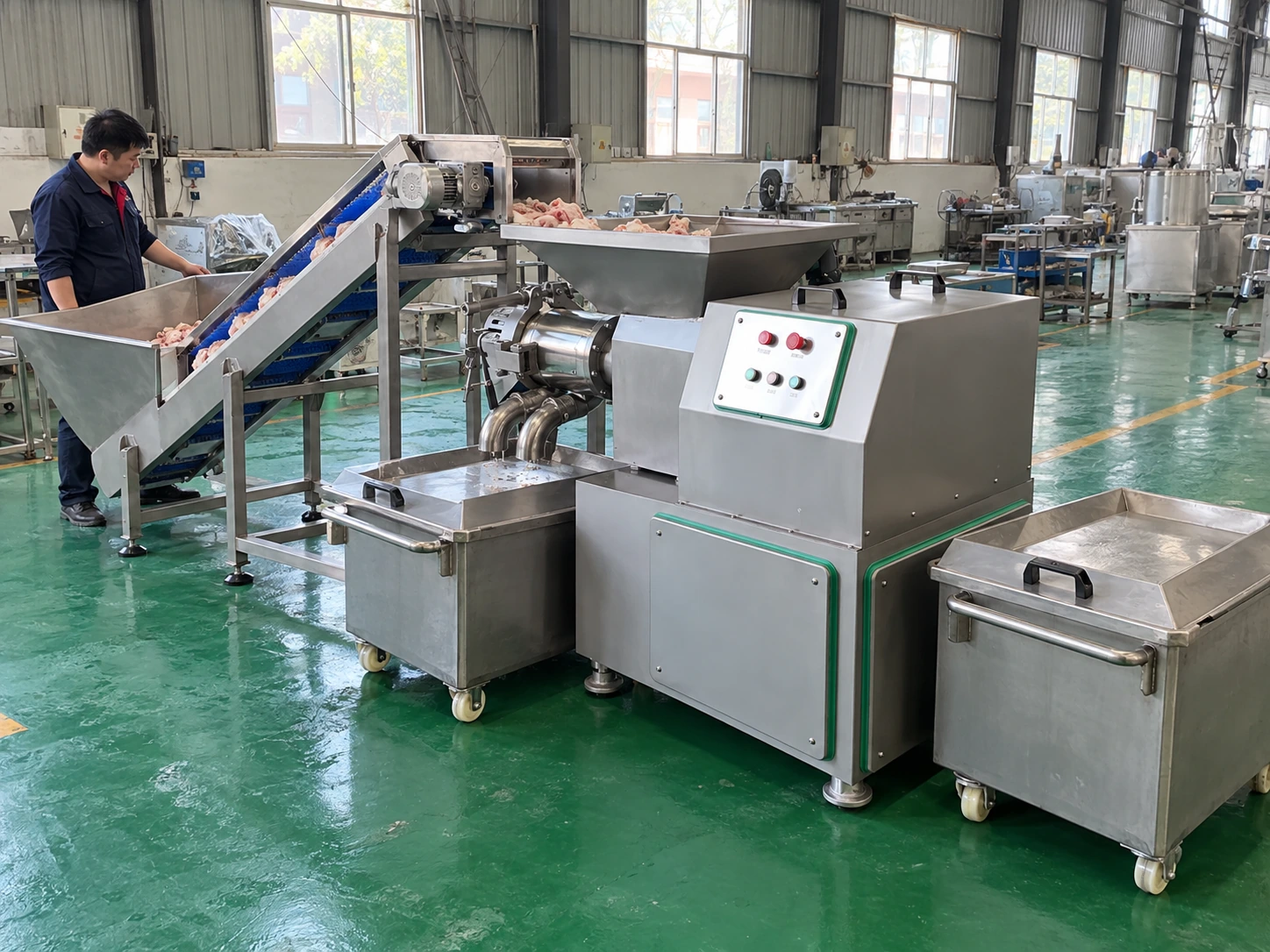
A meat bone separator does more than push material through a screen. Stable feeding, controlled compression, the selected screen, outlet restriction, temperature management and verification of both outlet streams determine whether the process matches the factory's product and compliance requirements.
Read full article